News
Latest updates from IC2



Blog
Research insights and articles
Innovative Cognitive Computing (IC2) bring together researchers in the fields of cognitive computing, artificial intelligence, computational intelligence, neuroinformatics, and psychology.

Our research delivers computational models that learn, reason, and perceive like the human mind. From healthcare diagnostics to industry automation, IC2 drives tangible outcomes that advance both technology and human understanding.
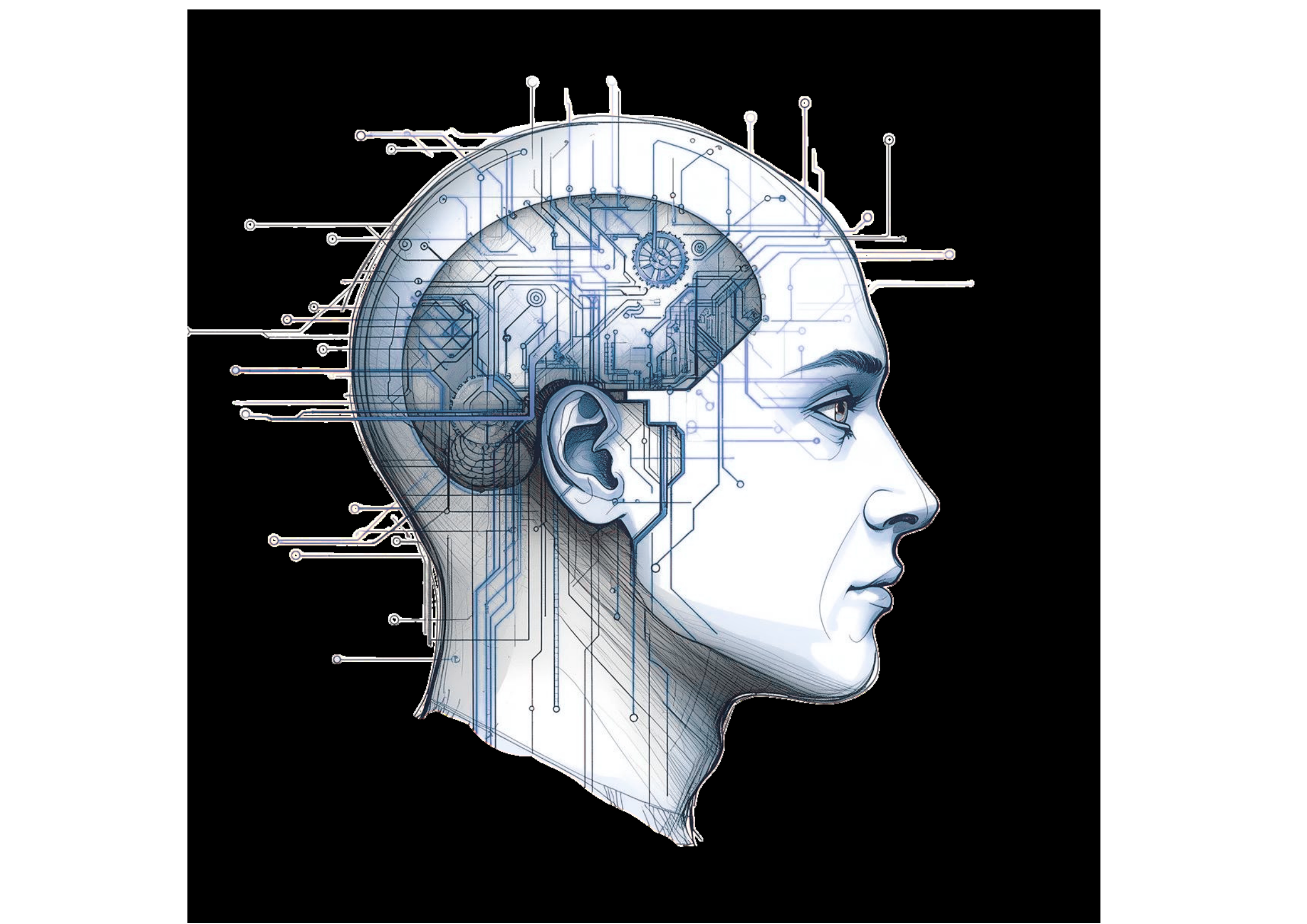
An interdisciplinary approach that builds AI systems capable of understanding context and human intent.
Neural architectures for perception, generation, and reasoning at scale.
Understanding, generating, and reasoning over human language at every level.
Search, recommendation, and knowledge extraction from large-scale corpora.
Behavior analysis, user modeling, and interfaces that adapt to people.
Pattern discovery, anomaly detection, and predictive modeling across domains.
Computational models of cognition bridging neuroscience and AI.
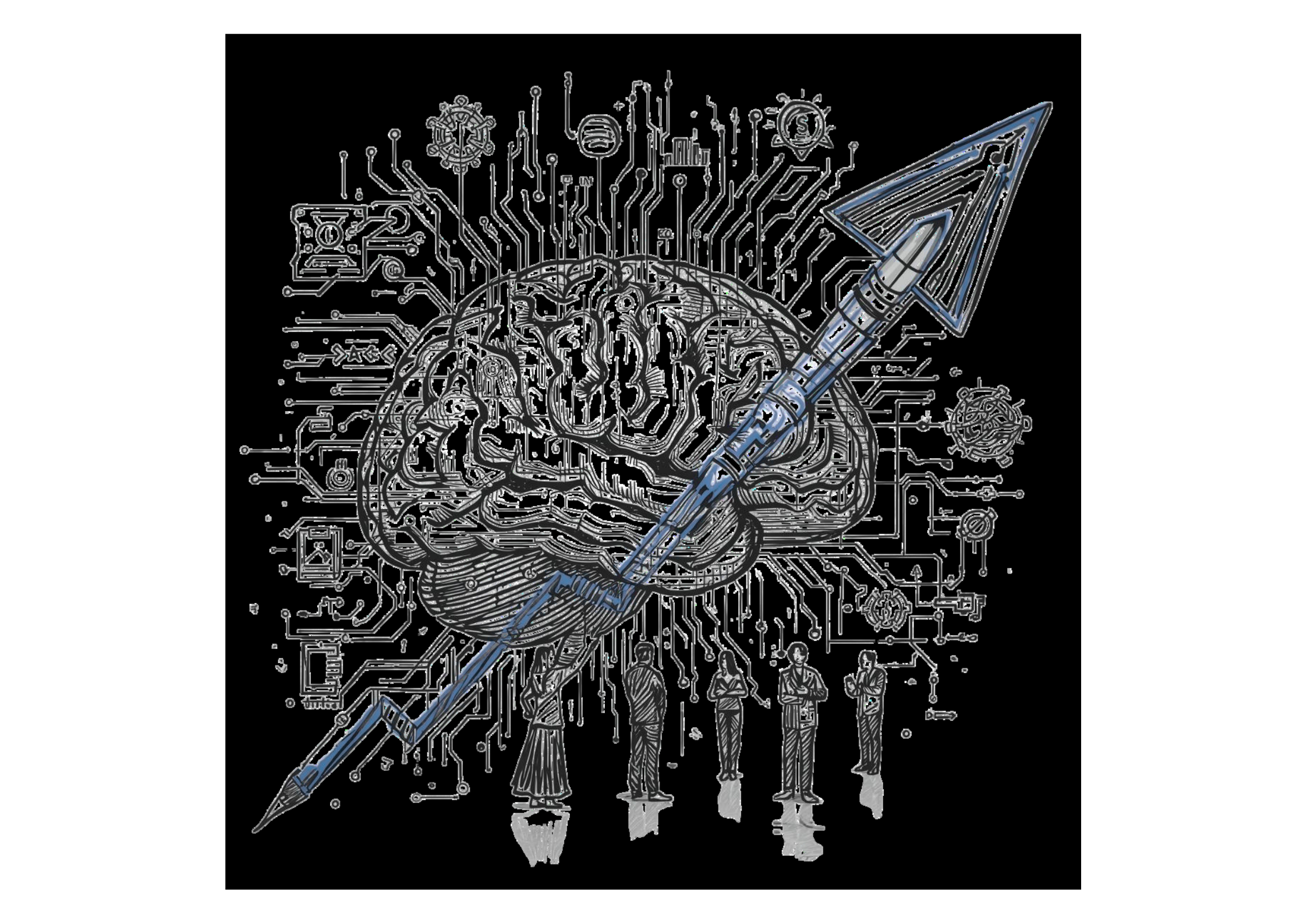
IC2 cultivates the next generation of researchers through collaboration between distinguished faculty and emerging scholars. We provide real opportunities for students to contribute to innovative, publishable work.
Latest updates from IC2
Research insights and articles